The Easter table is one of the finest examples of Hungarian family hospitality. The festive dishes are not important in and of themselves: together, they symbolize the preparations, community, and the changing of the seasons. Ham, eggs, sweet bread, horseradish, and fresh greens form a simple yet easily recognizable arrangement.
The Holiday Ham
Ham is best when it’s flavorful, tender, and juicy. Slow cooking helps the meat tenderize evenly. The cooking liquid can later be used as a base for soups or other dishes, allowing you to make the most of the ingredients.
The Role of Braided Bread
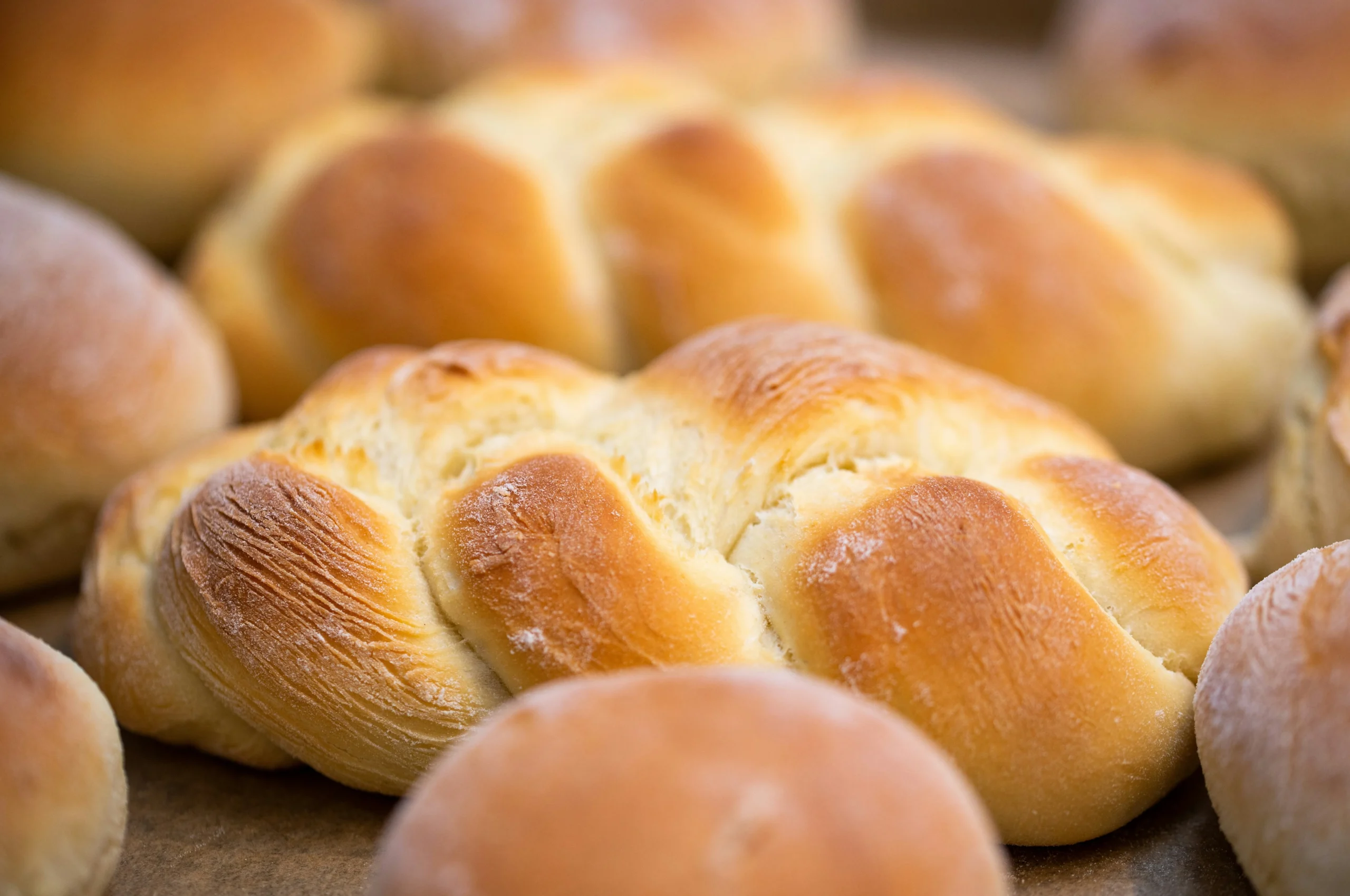
The mild sweetness of the kalács provides a nice contrast to the salty ham and spicy horseradish. The dough should be light, flaky, and fragrant. It’s best when fresh, but it’s also excellent lightly toasted the next day.
Eggs and fresh greens
Hard-boiled eggs provide a sense of fullness, while radishes, spring onions, and lettuce add a refreshing touch to the festive plate. The balance of colors and textures is just as important as the balance of flavors.
Horseradish and Tangy Accompaniments
The spiciness of horseradish cuts through the richness of the ham. Whether prepared with vinegar, apple, or cream, it can impart varying levels of intensity and character. The key is not to let it completely overpower the other ingredients.
The Importance of Eating Together
The festive table sets the rhythm for the day. Setting the table, serving the food, and sharing conversation are just as much a part of the experience as the food itself. This is what keeps tradition alive: we practice it together, time and time again.
Conscious Use of Leftovers
Ham, eggs, and sweet bread can serve as the basis for a variety of new dishes. They can be used to make sandwiches, salads, casseroles, or toasted sweet bread, which helps reduce food waste.
Please contact us if you have any questions regarding the holiday.