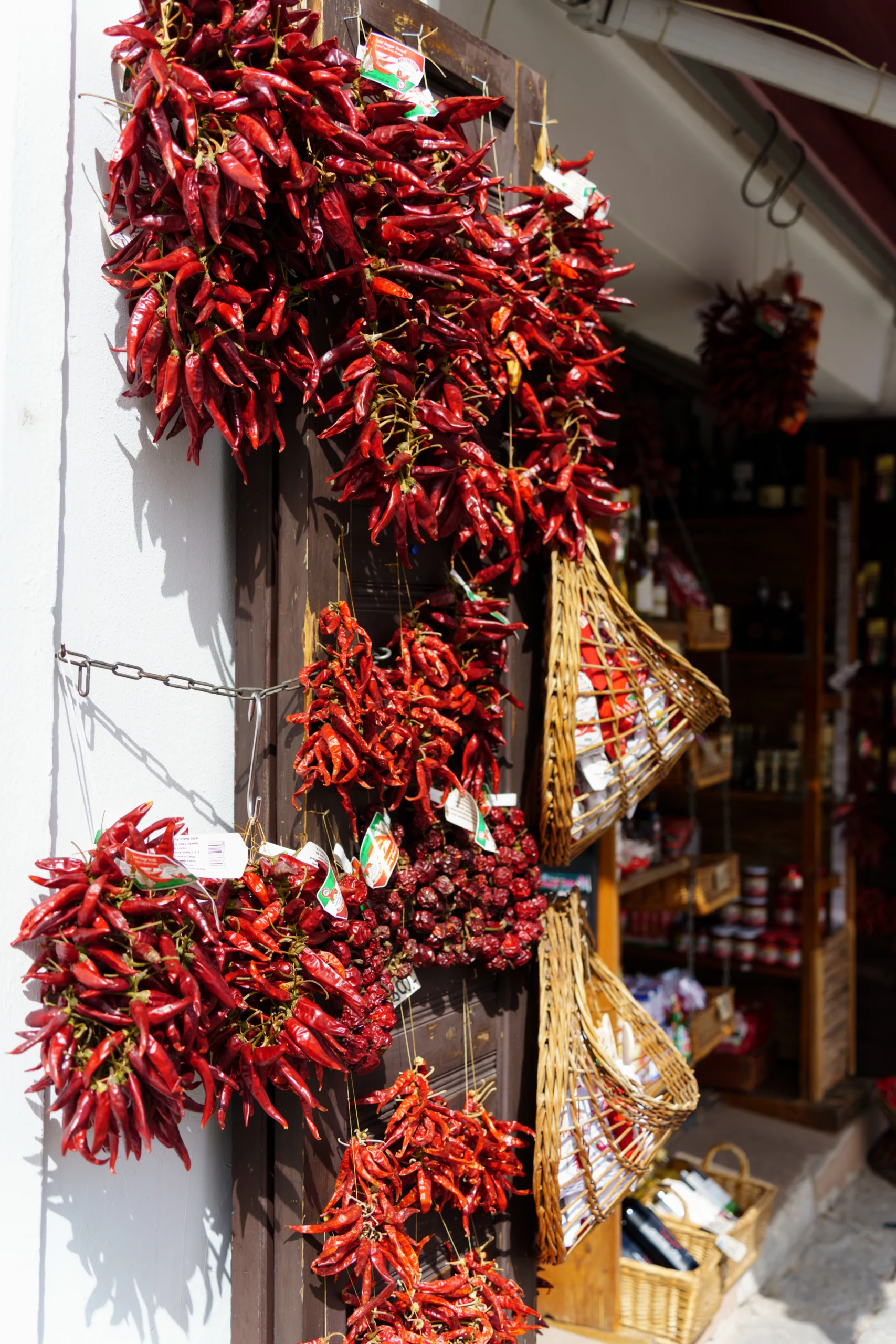
Paprika is one of the most important ingredients that defines the character of Hungarian cuisine. It does more than just add heat: it brings color, sweetness, depth, and a distinctive aroma to a dish. It is not the quantity, but the quality and proper use that make all the difference.
Sweet, spicy, and smoky flavors
Sweet paprika adds a rich, rounded flavor, while the spicy variety provides a burst of energy and a longer-lasting finish. In some dishes, a deliberate blend of the two types creates the perfect balance.
Why shouldn't it be burned?
Bell peppers are sensitive to high heat. If they are placed directly into oil that is too hot and sautéed for too long, they can become bitter. The best approach is to briefly reduce the heat and then immediately continue cooking.
Color isn't everything
A deep red color is important, but it is not, in and of itself, a sign of quality. Good paprika has a clean aroma and is fresh and well-balanced. Too much spice can mask the natural flavors of meat, vegetables, or sour cream.
In which foods is it essential?
It plays a key role in stews, paprika dishes, goulash, fish soup, and many other soups. In other dishes, it serves as a subtle background spice. It should always be adjusted to complement the dish as a whole.
Storage and Freshness
It retains its aroma best when protected from light, heat, and moisture. The color and aroma of old paprika fade, so it’s best to use smaller amounts and replenish them regularly.
Check out our paprika-based dishes on the menu.
