The Hungarian dining experience is not just about the food. The table setting, the linens, the ceramics, the colors, and the details all come together to create an atmosphere in which guests connect with tradition even before the first course is served.
The motif is not a prop
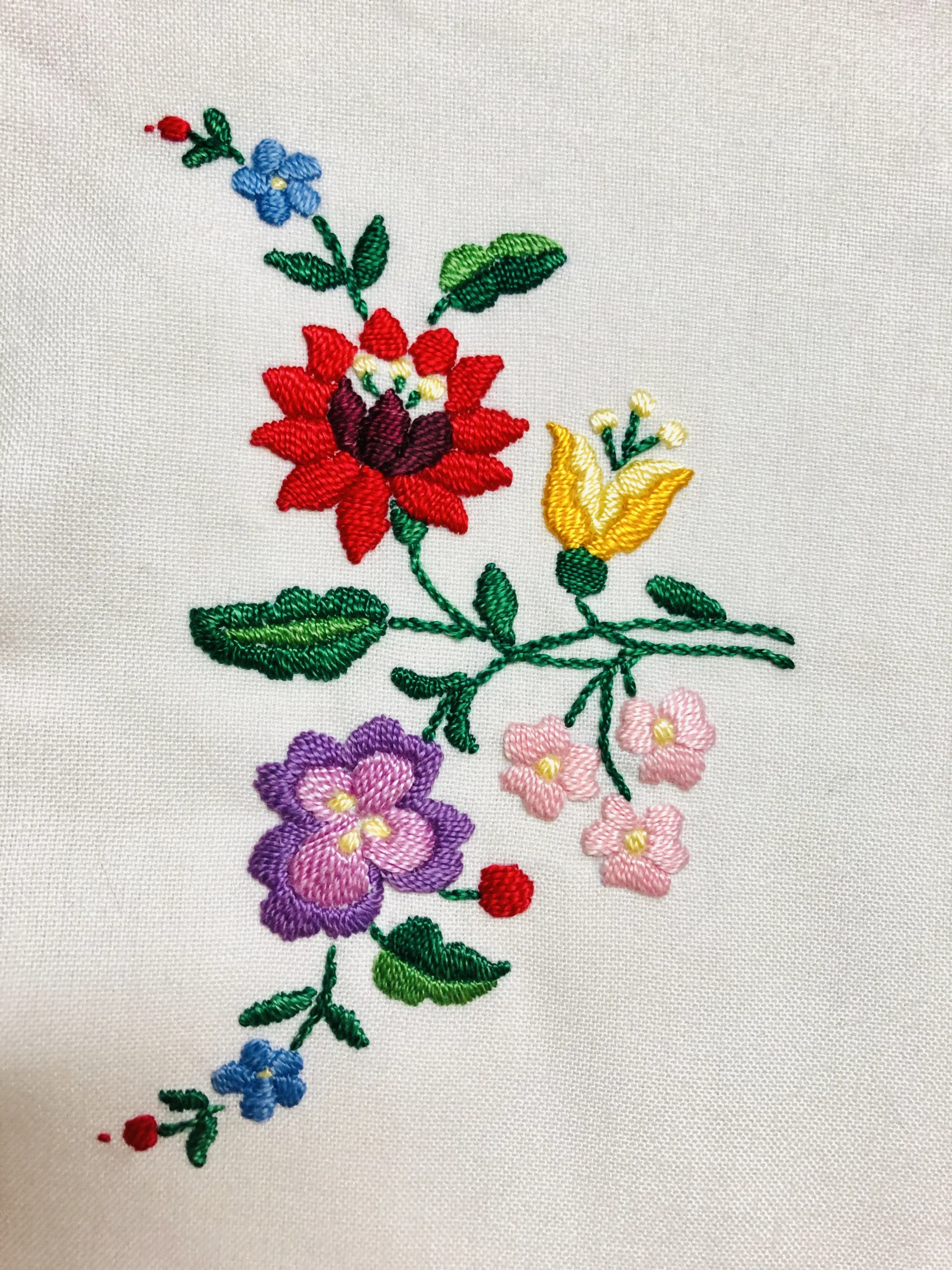
A folk pattern is authentic when it does not appear as an overemphasized decoration, but rather fits harmoniously into the space. An embroidered textile, handcrafted ceramics, or understated ornamentation may be enough to create the desired character.
Colors and Materials
Burgundy, deep red, gold, natural wood, and off-white blend well with the Hungarian visual aesthetic. Natural materials lend a sense of warmth, while the understated metallic accents add a touch of elegance to the overall look.
The Rhythm of the Spread
A well-set table isn't cluttered. Leave some space between the plate, cutlery, glass, and table linens. Decorative elements should not interfere with conversation, serving, or the comfortable enjoyment of the meal.
Tradition and Modern Utility
In a modern restaurant setting, traditional motifs work well when paired with clean lines and consistent typography. This ensures that the environment doesn’t feel like a museum, but remains vibrant and contemporary.
The Unit of Experience
The visual details should convey the same things as the food: care, warmth, and authenticity. Guests will perceive the restaurant as a cohesive whole only if the menu, table setting, and service all reflect the same level of quality.
Check out the atmosphere of Magyar Ízek in the gallery.
